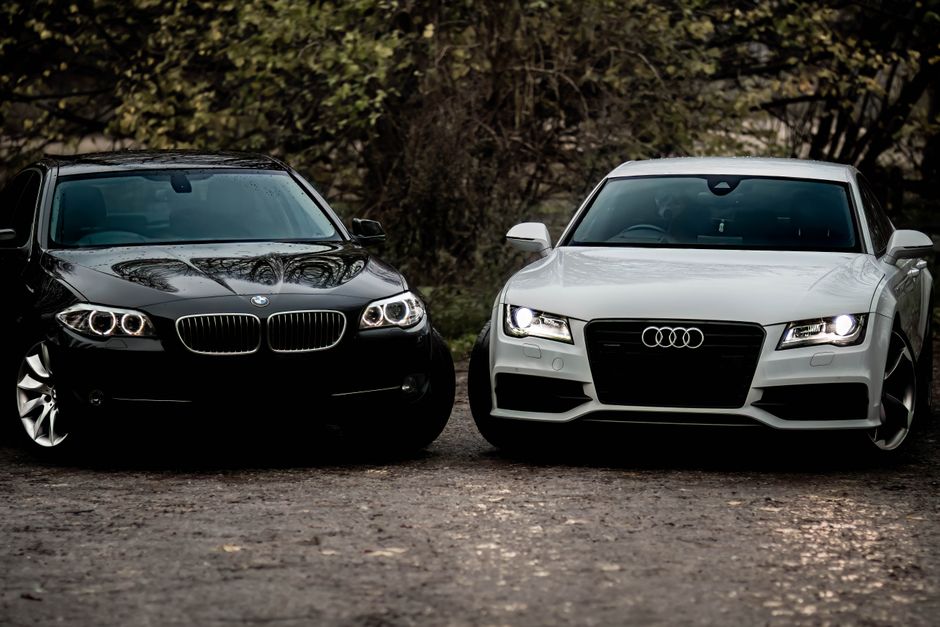
Luxury Car Sales in India: Mercedes, BMW, Audi
India's luxury car market hit an all-time high of 45,200 units in FY26, up 24% over the previous year. Mercedes-Benz retained the top spot with 15,200 units, but BMW closed the gap to just 400 units. The key driver? A wave of local assembly that pushed entry-level luxury prices below ₹45 lakh.
Brand-Wise Sales FY26
| Brand | Units Sold | Growth | Top Seller |
|---|---|---|---|
| Mercedes-Benz | 15,200 | +22% | GLA 250 (3,800 units) |
| BMW | 14,800 | +31% | X1 (4,100 units) |
| Audi | 8,200 | +18% | Q3 Sportback (2,500 units) |
| Volvo | 2,500 | +15% | XC40 Recharge (980 units) |
| Porsche | 980 | +42% | Cayenne (510 units) |
| Jaguar Land Rover | 1,900 | +8% | Range Rover Velar (620 units) |
| Lexus | 620 | +35% | NX 350h (310 units) |
Why BMW Is Winning
BMW posted the strongest growth among the German trio at 31%. The locally assembled X1 (₹46.5L) became the best-selling luxury vehicle in India, thanks to aggressive pricing and a 12-month service package. BMW now operates 29 dealerships in Tier 2 cities — more than any other luxury brand.
Interesting Fact: 1 in every 4 BMW X1 buyers in India is under 35. The average age of luxury car buyers in India has dropped from 48 to 39 over the last five years.
The EV Transition in Luxury
EVs now account for 21% of luxury car sales, up from 8% in 2023. Mercedes sold 3,100 EVs (EQB, EQS, EQE SUV), BMW sold 2,600 (iX1, i4, iX), and Audi sold 1,500 (Q8 e-tron, e-tron GT). Volvo is now 100% electric on its XC40/Recharge line. Porsche's Taycan accounted for 210 of its 980 sales.
Forecast 2027: With BMW's Neue Klasse EVs starting production and Mercedes's MMA platform launching locally, luxury EV penetration should cross 30% in FY27. The overall luxury market is projected to hit 55,000 units.